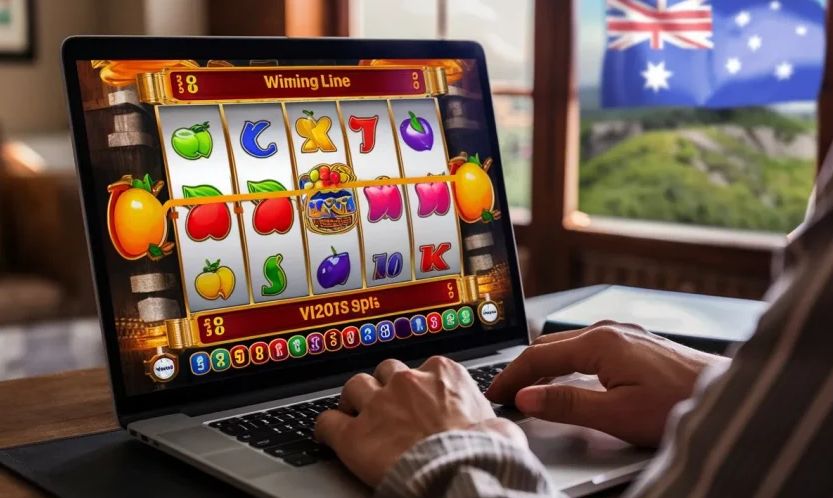
Random number generators, often shortened to RNGs, are the invisible engines that decide every spin, card, and dice roll in modern digital casino games. They ensure that outcomes are unpredictable and not influenced by previous results, which is essential for fair play and trust in both online and electronic gaming.
What an RNG is
A random number generator is a system that produces a continuous stream of numbers that cannot be reasonably predicted better than by chance. In casino software, these numbers are converted into game events such as slot symbols, card orders, or roulette results, so that each round is independent and unbiased.
Most casino games use pseudorandom number generators, or PRNGs, which rely on mathematical algorithms and a starting value known as a seed. Some systems may also incorporate true random inputs, but in regulated online gambling, well‑designed PRNGs are the norm because they are fast, auditable, and stable.
How RNG works inside a slot
In a typical digital pokie or online slot, the RNG runs continuously in the background, cycling through thousands of number combinations every second. When a player presses the spin button, the software “freezes” the current numbers and maps them to specific reel positions and symbols to determine the outcome.
Each symbol on each reel is assigned a numeric value, and the RNG selects one value per reel for each spin. The combination of these values decides whether the player sees a losing spin, a small line win, or a major feature trigger, with rarer symbols programmed to appear less frequently than common ones.
RNG in table games and other formats
RNGs are also used in many digital versions of table and specialty games. Virtual blackjack and video poker rely on the RNG to shuffle and deal cards, emulating the randomness of a physical shoe or deck.
For roulette, bingo, keno, and dice games, RNG outputs correspond to wheel pockets, drawn balls, number grids, or dice faces, ensuring that every result is independent and correctly weighted. This means players face the same mathematical odds in a properly certified digital game as they would at a regulated physical table or draw.
Seed values and continuous cycling
The starting point for a PRNG is the seed, a number that kicks off the algorithm’s calculations. Sophisticated systems use a combination of internal data and unpredictable inputs to generate seeds, making it practically impossible for outsiders to reconstruct the sequence.
Once seeded, the RNG cycles through outputs at high speed whether anyone is playing or not. The exact fraction of a second at which a player clicks “spin” or “deal” determines which numbers the software grabs, so even the smallest change in timing produces a different result.
Pseudorandom vs true random
PRNGs use algorithms to create sequences that appear random and pass stringent statistical tests, even though they are deterministic in theory. True random number generators (TRNGs), by contrast, rely on physical processes such as electronic noise or other natural phenomena to produce randomness.
In online casinos and digital pokies, PRNGs are preferred because they are easier to test, integrate, and regulate, and they can run efficiently on standard hardware. Well‑implemented PRNGs, when certified and monitored, are considered reliable for creating fair, unpredictable game outcomes in regulated markets.
RNG, RTP and volatility
RNG does not decide how generous a game is overall; that role belongs to the return to player (RTP) and the paytable. Developers design games so that, over the long term, the random outcomes generated by the RNG line up with the theoretical RTP and house edge baked into the math.
Volatility describes how this return is distributed over time: some pokies offer frequent smaller payouts, while others deliver rare but larger hits. The RNG simply delivers unbiased results according to the underlying design, but RTP and volatility determine how often players see those results turn into wins, losses, or bonus features.
Testing, certification and fairness
Independent laboratories and regulators test casino RNG implementations to ensure they meet strict fairness and randomness standards. These tests include long‑run simulations, statistical analysis of number distributions, and checks that there are no predictable patterns or exploitable biases.
Certification seals from recognised testing bodies are a key trust signal for players and operators. Ongoing audits and periodic re‑testing help confirm that updates or new game versions continue to produce unbiased results, reinforcing confidence in long‑term fairness.
Why patterns and “due” results are a myth
Because RNGs generate outcomes independently every round, common beliefs about patterns are misleading. A pokie that has not paid a big win for a while is not “due” to hit, and a sequence of similar results does not make a different outcome more likely on the next spin.
Every spin or deal has the same underlying probabilities as the last one, regardless of recent history. Attempts to “time” the RNG or decode patterns are therefore ineffective in properly regulated games; only variance and chance decide when wins appear.
RNG in land‑based vs online environments
Land‑based electronic machines and online games both rely on RNG technology, though implementation can differ depending on hardware, software, and regulation. Many physical pokies include dedicated chips running RNG code that sends outcomes to the display and mechanical components.
Online casinos usually implement RNGs in server‑side software, with certified algorithms embedded in the game engine and audited remotely. In both cases, accredited regulators and testing labs review the systems to ensure that outcomes are not influenced by player choices, operator preferences, or external interference.
Security and manipulation concerns
Reputable operators and developers treat RNG security as a core responsibility. Access to code and configuration is tightly controlled, and robust logging systems record game activity so that disputes or anomalies can be investigated by regulators and auditors.
When players choose unlicensed or unregulated platforms, the same guarantees may not apply, increasing the theoretical risk of manipulated software. This is why guidance from regulators and consumer agencies consistently recommends sticking to licensed casinos and verified games that use certified RNGs.
Practical implications for Australian players
For players on Australian‑facing sites and apps, RNG knowledge changes how wins and losses are viewed. Because every result is independent, chasing losses or believing in hot and cold streaks as something “controllable” can lead to frustration and overspending.
Instead, understanding that RNG outcomes follow probability, not emotion, supports more balanced expectations. Treating pokies and digital casino games as entertainment, setting clear limits, and recognising that no system can beat a fair RNG over the long term are key elements of responsible play.
Tips for evaluating RNG‑based games
Players who want additional reassurance can look for visible references to independent testing and certification on an operator’s site. Many reputable casinos highlight their partnerships with testing labs and explain, at a high level, how RNGs and game fairness are managed.
Checking licensing details, reading the game information screen, and ensuring games come from known developers are all practical steps that help verify RNG integrity. Combined with personal limits and awareness of variance, these checks help Australian players enjoy RNG‑based games with greater confidence and clarity.
This RNG review is for informational purposes only and does not provide legal, financial, or gambling advice. Always use licensed operators, follow local laws, and seek support if gambling stops being enjoyable.