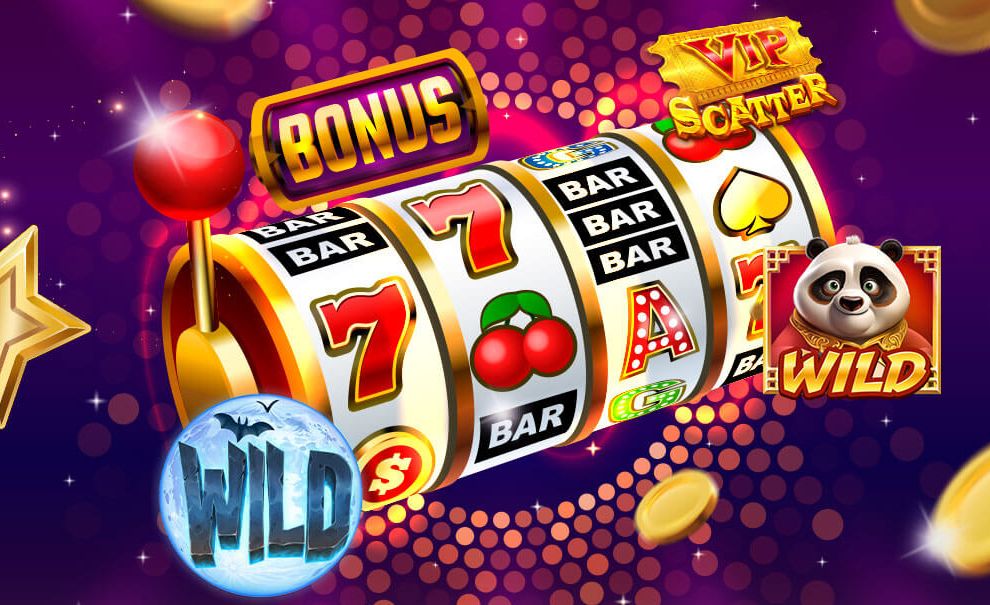
Slot machine symbols are the visual language of pokies and slots, turning raw maths into recognisable icons, stories, and win patterns that players can easily follow. They carry payouts, trigger features, and shape the personality of every game, from classic three‑reel machines in Aussie pubs to cinematic video slots online.
What slot machine symbols represent
Every symbol on a slot machine is mapped to specific odds and payout values in the game’s underlying math. When reels stop, the combination and position of these symbols determine whether the spin is a loss, a standard win, or the start of a bonus feature.
Although modern pokies can be complex, symbols exist to make results instantly recognisable without exposing the technical detail of paylines, return to player, or random number generators to the player. The mix of standard and special symbols also controls how volatile and exciting the overall experience feels.
Classic symbols: fruits, bars and sevens
Traditional slot machines introduced a set of symbols that remain iconic today: cherries, lemons, plums, bells, bars, and red sevens. These designs originated from early mechanical machines and chewing‑gum or fruit‑flavoured prize devices, where fruits indicated different flavours and payouts.
In modern pokies, classic symbols still appear in “old‑school” or retro‑themed games, often with simple paytables and straightforward line wins. For many Australian pokie players, these images evoke a familiar pub or club atmosphere, even when playing on mobile or online.
Modern themed symbols
Contemporary video slots lean heavily on themes, from outback adventures and wildlife to mythology, films, and fantasy worlds. In these games, symbols are crafted to match the narrative: explorers, animals, artefacts, weapons, gemstones, or character portraits often form the premium symbol set.
Lower‑value symbols in modern titles are frequently represented by stylised card ranks such as 10, J, Q, K, and A, making paytables easy to read across different pokies. This mix of low and high symbols enables developers to balance frequent small hits with rarer, larger prizes in line with the game’s volatility profile.
Standard symbols and payline wins
Standard or “regular” symbols are the backbone of base‑game wins. When enough matching symbols land on an active payline, starting from the leftmost reel in most games, the player receives a payout according to the paytable.
Higher‑value premium symbols usually require fewer matches to deliver meaningful wins, while lower‑value symbols appear more often to maintain engagement. Some games also include stacked or oversized standard symbols, covering several reel positions at once to increase hit potential.
Wild symbols and substitution
Wild symbols are special icons that substitute for most other standard symbols to complete or improve winning combinations. If a wild appears in a line where two matching symbols already sit, it can turn a near‑miss into a win by acting as the missing match.
Many pokies now offer enhanced wilds, such as expanding wilds that cover an entire reel, sticky wilds that remain in place for several spins, or walking wilds that move across reels with each spin. These variations add excitement, elevate volatility, and often form the core of a game’s entertainment value.
Scatter symbols and bonus triggers
Scatter symbols are designed to trigger special features, most commonly free spins rounds, regardless of strict paylines. In many games, landing three or more scatters anywhere on the reels activates a bonus, even if they do not align from left to right.
Scatters may also pay independently when enough appear, awarding a win multiplied by the total bet rather than line stake. Because bonus rounds can carry significant win potential, the presence, frequency, and behaviour of scatter symbols strongly influence a slot’s volatility.
Bonus and feature symbols
Some pokies add separate bonus symbols that unlock mini‑games, pick‑and‑win features, wheel spins, or progressive jackpots. These symbols often need to land in specific positions or combinations, such as three bonus icons on adjacent reels, to launch the feature.
Bonus symbols allow designers to create multi‑stage experiences where the base game is relatively simple, but special features deliver variety and higher prize ceilings. For Australian players, clear visual cues around bonus symbols help differentiate between standard hits and rare events worth anticipating.
Multiplier symbols
Multiplier symbols increase the payout of winning combinations by a specified factor, such as 2x, 3x, or more. They can appear as standalone icons or attached to wilds or scatter wins, boosting both base‑game results and feature payouts.
Some modern pokies include cascading reels or cluster mechanics where multiplier symbols stack or grow over successive wins, creating dramatic win sequences. The presence and frequency of multipliers is a major contributor to how explosive a game can feel during hot streaks.
Special symbol behaviours: stacked, nudging and sticky
Beyond wilds and scatters, many symbols can take on special behaviours that change how reels spin and stop. Stacked symbols occupy several spaces on the same reel, increasing the chance of landing multiple matching icons in one column.
Nudging symbols move up or down after a spin, potentially bringing a nearly‑visible icon fully into view to complete a win or trigger a feature. Sticky symbols remain locked in place for a set number of spins, often during free‑spin rounds, enabling built‑up combinations and repeated hits.
Symbol value, hit frequency and volatility
The way payouts are distributed across different symbols determines how a slot plays session‑to‑session. Low‑value symbols that hit often produce frequent but small returns, characteristic of lower‑volatility designs.
High‑value symbols, especially when combined with rare wild or scatter behaviour, contribute to higher volatility where big wins are possible but less frequent. Understanding which symbols carry top payouts, how often they appear, and how they interact with wilds and scatters helps players judge whether a pokie suits their risk appetite.
Reading the paytable and symbol information
Most digital pokies include an information screen that lists all symbols, their payout values, and any special functions such as substitution or triggering features. This paytable usually shows how many matching symbols are required on a line to earn a win and whether pays start from the left, right, or can pay both ways.
Taking a moment to review this information before playing reveals which symbols to look out for and how free spins or bonus rounds are activated. For Australian players exploring new titles online or on mobile, this is an efficient way to avoid confusion and set realistic expectations about what different symbol combinations can deliver.
Symbols in cluster and ways‑to‑win slots
Not all modern pokies rely on traditional paylines. Cluster‑pay games award wins when groups of matching symbols connect horizontally or vertically, while “ways‑to‑win” formats pay for matching symbols on adjacent reels regardless of specific line patterns.
In these designs, symbol layout and size become more important than narrow line structures, and special symbols often modify or remove entire clusters at once. Despite these differences, the core idea remains the same: symbols encapsulate the math in a visual form that players can follow without needing to see the underlying calculations.
The role of graphics and animation
Symbols are no longer static icons; they are animated, voiced, and sometimes integrated into story elements that unfold during play. High‑quality graphics and motion effects make wins more satisfying and help players recognise important moments such as wild expansions, scatter teases, or jackpot hits.
These visual layers also support accessibility and clarity by highlighting winning lines, animating contributing symbols, and showing which icons triggered a feature. For casino and pokies sites targeting Australian audiences, strong visual symbol design can differentiate games in a crowded market.
Branded and licensed symbols
In branded pokies based on films, TV series, bands, or celebrities, symbols become an extension of existing intellectual property. Character portraits, logos, and iconic items replace generic icons, while bonus symbols may trigger clips, soundtracks, or themed mini‑games.
These symbols must still adhere to fair‑game design and balanced paytables but are used to attract players who are fans of the underlying brand. Operators and developers negotiate licensing deals to use these images, and strict guidelines usually apply to how the symbols are displayed and animated.
Symbols, regulation and fairness
In regulated markets, the behaviour of slot symbols is not arbitrary; it is codified in the game’s rules and subject to technical certification. Testing laboratories verify that the mapping between random number generator outputs and symbols matches the approved design and that advertised features and bonus triggers behave as described.
Players cannot influence which symbols appear on any given spin, and operators cannot legally adjust symbol odds on the fly in certified games. This framework ensures that symbols remain honest carriers of the game’s random outcomes rather than tools for hidden manipulation.
Practical tips for Australian players
Understanding slot machine symbols helps players make better choices about which pokies to play and how to approach them. Before committing real money, it is sensible to check the paytable, identify wilds, scatters, and top‑paying symbols, and note how free spins or bonus features are triggered.
Players can also look for games where special symbols match their preferred style: frequent smaller features for lower‑volatility sessions, or rarer high‑impact symbols for more volatile play. Combining symbol knowledge with clear budgets and time limits supports healthier, more enjoyable gambling habits.
This review of slot machine symbols is for informational purposes only and does not constitute legal, financial, or gambling advice. Australian players should always use licensed operators, follow local regulations, and seek help if gambling stops being fun or starts to cause harm.