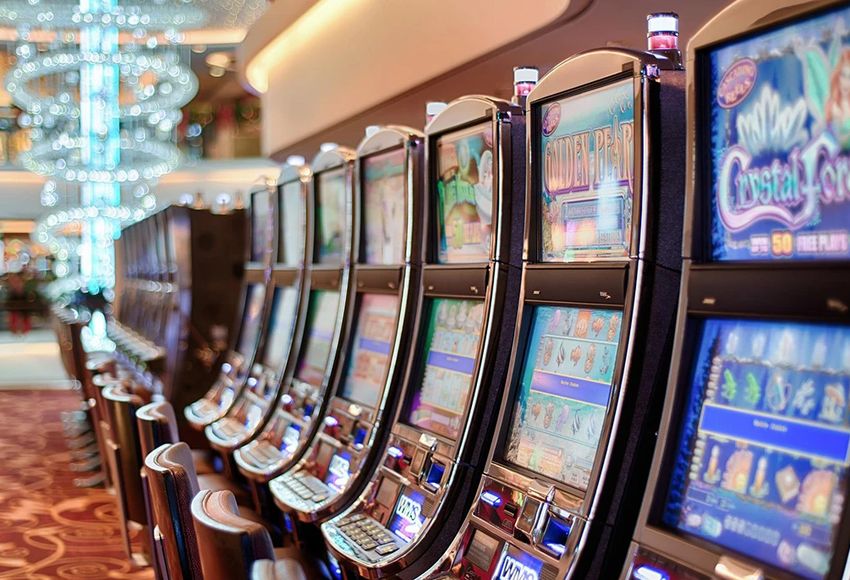
Volatility is one of the most important – and most misunderstood – concepts in modern pokies and casino games. It describes how often wins are likely to occur and how big those wins tend to be over time, shaping the entire feel of a gaming session for Australian players.
What volatility really means
In casino terms, volatility (or variance) measures the risk profile of a game: how unevenly wins are distributed across many rounds. Two pokies can share the same long‑term return to player (RTP) but feel totally different because one pays little and often while the other pays rarely but in larger bursts.
Volatility does not change the underlying house edge; it changes how the game’s payouts are experienced. Where RTP is about “how much” a game returns over the long run, volatility is about “how” and “when” that return is delivered during actual play.
Volatility vs RTP
RTP is the theoretical percentage of total wagers a game will pay back to players over a very long period. Volatility, by contrast, describes how bumpy or smooth that journey is toward the RTP, with higher volatility meaning bigger swings and deeper downswings.
A pokie with 96% RTP can be low, medium, or high volatility. In all three versions, the casino’s long‑term mathematical edge is similar, but session‑to‑session experiences are dramatically different.
Low volatility games
Low volatility pokies are designed to produce frequent small wins that keep the balance ticking over. These games often suit casual players, smaller bankrolls, and those who prefer longer, more relaxed sessions. In practice, low volatility titles may deliver many line hits and regular mini‑features but rarely trigger very large payouts. They are often a good fit when the goal is entertainment time rather than chasing a single huge win.
Medium volatility games
Medium volatility games strike a balance between steady entertainment and occasional bigger hits. Wins may not come as often as in low‑volatility pokies, but when they do arrive they can be more significant. These titles are popular with players who want a mix of excitement and stability in their sessions. Medium volatility can provide enough action to keep things interesting without the extreme dry spells associated with very high‑risk games.
High volatility games
High volatility pokies are built around the possibility of large, sometimes life‑changing wins, but with long periods of low or no returns. They typically feature rare but powerful bonus rounds, big multipliers, or jackpot potential.
Sessions on high‑volatility pokies can feel very swingy: long stretches of small or zero wins punctuated by sudden big hits. These games demand a bigger, more resilient bankroll and a willingness to tolerate deep swings without assuming a big win is “due”.
How volatility is built into a game
Game designers control volatility through paytables, symbol distributions, reel strips, and feature design. Common symbols, low‑value wins, and frequent small features tilt a pokie toward low volatility.
Sparse high‑value symbols, rare bonus triggers, and heavy reliance on multipliers or jackpots push volatility higher. Even small adjustments to symbol frequencies or bonus odds can markedly change how choppy or smooth the game feels.
Volatility and session length
Volatility has a direct impact on how long a bankroll might last, even at the same RTP and bet size. On a low‑volatility game, frequent small wins can recycle bets and extend playtime for the same starting balance.
On a high‑volatility game, long stretches without meaningful returns can deplete funds quickly if bets are not sized conservatively. This is why players who like high‑risk pokies often reduce their stake size to manage the possibility of long downswings.
Bankroll management by volatility level
Understanding volatility helps shape sensible bankroll strategy. For low‑volatility pokies, players can usually stake a slightly higher percentage of their bankroll per spin while maintaining reasonable session length.
For high‑volatility titles, it is generally wiser to use smaller bets and a larger total bankroll relative to the chosen stake. This cushions the impact of variance and provides enough spins for the game’s rare features to have a realistic chance to appear.
Emotional impact of volatility
Different volatility levels appeal to different personalities. Some players enjoy the reassurance of frequent small wins, even if the overall outcome is modest or slightly negative.
Others thrive on the suspense and adrenaline of high‑volatility pokies, accepting long losing stretches for a shot at outsized rewards. Recognising your own preferences – and how you react emotionally to swings – is crucial for choosing games that feel comfortable and fun rather than stressful.
Volatility in bonus features and free spins
Bonus rounds and free spins are often the main drivers of volatility. In many modern pokies, a large share of the game’s total payout potential is concentrated in these features rather than the base game.
When bonus rounds are rare yet capable of producing enormous multipliers, the game’s volatility climbs sharply. If bonuses are more common but modest in value, volatility is reduced, even if the headline RTP remains similar.
Volatility and progressive jackpots
Progressive jackpot games almost always carry higher volatility than standard titles. A slice of each bet feeds the jackpot pool, which may only pay out occasionally to a very small number of players.
This structure means the base game can feel tight while the theoretical value of the jackpot sits in the background. Players attracted to this format should accept that most of the time they are paying for a chance at a huge prize that statistically goes to very few people.
How volatility ratings are presented
Many game providers and reviewers label pokies as low, medium, or high volatility, and sometimes use scales (for example 1–5 or 1–10). These categories are based on internal modelling of hit frequency, win sizes, and overall distribution of outcomes.
Volatility is rarely displayed as a precise number to players, but these descriptive labels are still useful guides. They help set expectations before you start, especially if you combine them with knowledge of the game’s RTP and bet ranges.
Volatility myths and misunderstandings
A common misconception is that a high‑volatility game guarantees big wins if you “stick with it long enough”. In reality, variance means you can experience extended losing streaks even over many sessions.
Another myth is that after many dead spins, a game is more likely to “compensate” with a major payout. Because each round is governed by a random number generator (RNG) with independent outcomes, the odds do not improve just because a player has been unlucky.
Choosing volatility to match your style
Australian players can use volatility as a filter when selecting games on casino and pokies sites. If the goal is relaxed, pub‑style entertainment with lower stress, low‑ and medium‑volatility pokies are usually a better match.
If the goal is occasional high‑adrenaline sessions with the possibility of huge, though unlikely, wins, high‑volatility games fit that preference. In both cases, clarity about budget, time, and emotional tolerance for swings is essential.
Practical tips for playing by volatility
A structured approach helps keep volatility in check:
-
Choose games with volatility that suits your bankroll size and patience.
-
Adjust bet size downward for higher‑volatility titles to allow enough spins.
-
Accept that swings are part of the design and avoid chasing losses during cold runs.
It is also wise to set win and loss limits before starting a session. Stopping after a good upswing or when your predetermined loss limit is reached helps prevent volatility from turning an entertaining session into a stressful one.
Volatility, responsible gambling and expectations
Volatility underlines the fact that casino games are built around uncertainty and long‑term house advantage. Even on fair, well‑regulated games, session outcomes can vary widely around the theoretical averages.
Treating pokies and casino games as entertainment expenses, not income strategies, aligns your expectations with reality. Volatility then becomes part of the fun – the drama of swings – rather than a source of pressure to recover money or “force” a game to pay.
Volatility in an evolving pokies market
Modern slot design continues to experiment with new mechanics such as cascading reels, expanding symbols, and complex multi‑stage features. These innovations often increase volatility, concentrating more of the game’s potential into rare but spectacular outcomes.
At the same time, there is still strong demand for classic, steadier games that echo traditional pub and club pokies. Understanding volatility lets players navigate this expanding landscape confidently, picking experiences that feel right for their tastes and budgets.
This volatility review is for information only and does not provide legal, financial, or gambling advice. Always follow local laws, use licensed operators, and seek help if gambling stops being enjoyable or starts to affect your wellbeing.